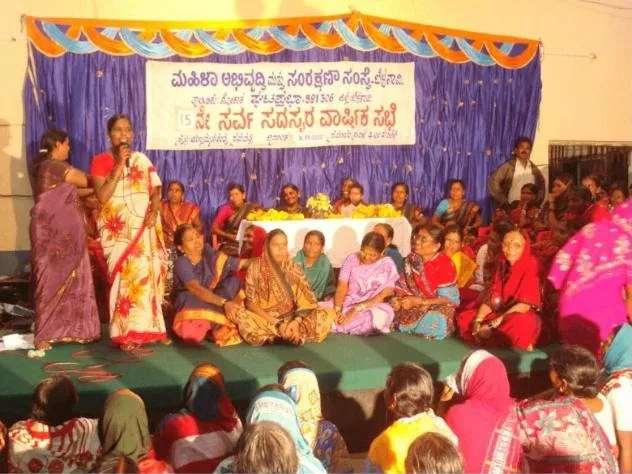
Women's Rights and Ending the Devadasi System
Dedication has been banned in Karnataka since 1982, yet it has continued out of sight. MASS keeps watch against its revival and stands with women who have left it.
Learn more about this workDignity, equality and self-reliance for women, children and vulnerable communities.

Ghataprabha, Belgaum district, Karnataka
MASS works alongside women, children, and vulnerable communities to strengthen rights, create opportunities, and build a future rooted in dignity, equality, and self-reliance.
MASS is a membership association of ex-Devadasi women. Its goal is checking the revival of the Devadasi system and securing livelihoods, rights and justice for women and children.
3,779
ex-Devadasi women are members of MASS. Each small figure here stands for one member.
Every number below comes from MASS's own website.
718disputes settled outside court through legal support.
34child marriages stopped by MASS staff.
2,174children covered by 70 learning centres.
2,732members supported to get ration cards.
Figures are as reported on MASS's website in January 2020, the latest published date for this material. See all reported results
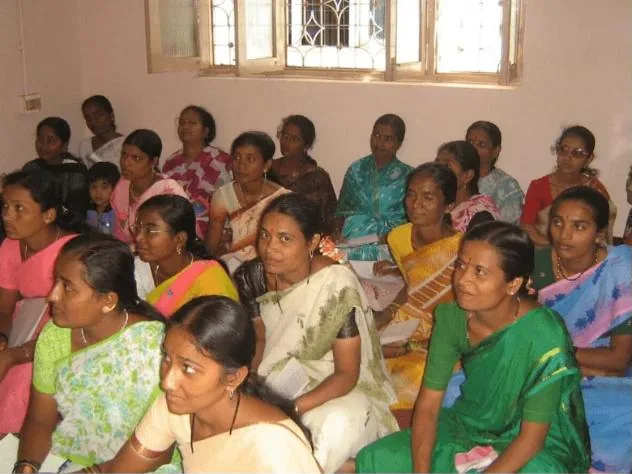
MASS was registered in September 1997 under the Karnataka Societies Act of 1960, after months of meetings with Devadasis in about 509 villages of Belgaum district.
It is a membership association: any woman of the district dedicated as a Devadasi can join in her own right. Its work has grown to include Dalit communities, other vulnerable women and children, with a focus on rights, livelihoods, justice, education and protection.
Discover Our StoryDedication has been banned in Karnataka since 1982, yet it has continued out of sight. MASS keeps watch against its revival and stands with women who have left it.
Learn more about this work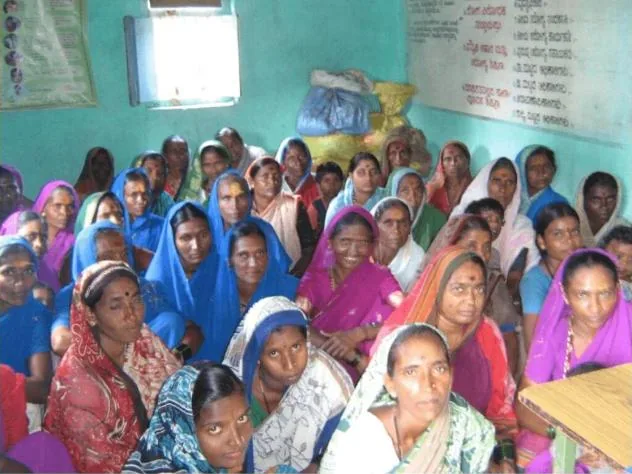
Livelihoods, entitlements and a trusted place to turn for legal help, for Dalit families and for women facing injustice. 2,732 members have been supported to get ration cards.
Learn more about these services
Learning centres, coaching for residential school entrance exams, and interest-free loans for higher education, for the children of members and Dalit children.
Learn more about child education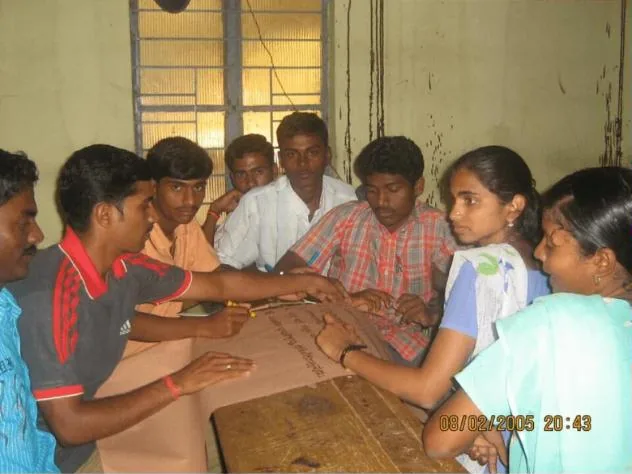
Stopping child marriages, settling disputes with families and local leaders, and pressing for schools, nutrition and health camps in remote villages.
Learn more about rural programmesHow an education programme for Dalit children in Raibag taluka became one MASS runs on its own.
Government residential schools offer promising students from poor families a free, high-quality education, and they admit children through an entrance exam. This programme set out to prepare Dalit children for it.
From 2006, with funding from Every Child, UK, MASS ran 47 learning centres for 2,000 children, with qualified teachers, tuition in Maths, Science and English, sports and cultural activities. Every Child left India in September 2015.
MASS continued independently in Raibag, Chikodi, Athani and Hukkeri taluks with funds from local communities and factories. It reports 70 learning centres covering 2,174 children, with 1,173 students trained for the exam and 262 admitted.
Checking revival of the Devadasi system, securing livelihoods, rights and justice for women and children.
Ms. Sitavva Dundappa Jodatti
Chief Executive Officer and Padma Shri awardee
Ms. Jodatti leads MASS's work toward its stated goal, shown here.
About MASS's leadership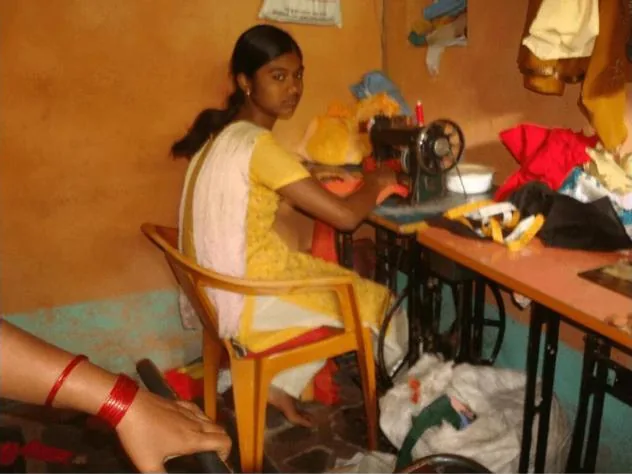
Join the effort to build safer communities, strengthen women's rights, and create better opportunities for children.